-
As For Me And My House (Free Printable)
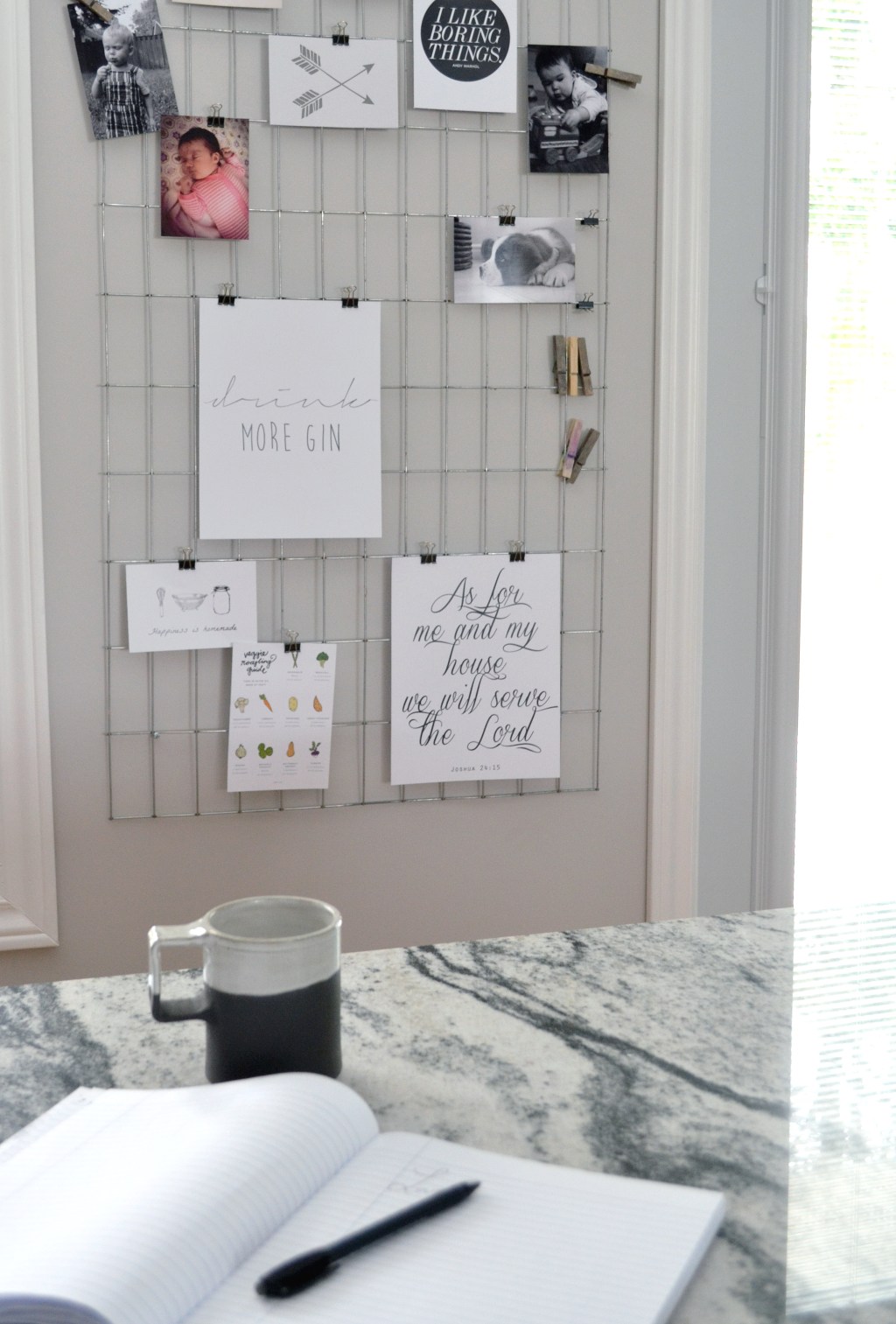
“But as for me and my house, we will serve the Lord.” To many people this quote has deep religious significance, to me the meaning is much more grounded in my love of literature and my first foray into Canadian prairie fiction. It reminds me of something very important and personal. When I see this passage it brings me back to a space and time that I sometimes forget to think about. Never mind my nostalgia; do you want a free printable? Of course you do, what a silly question.
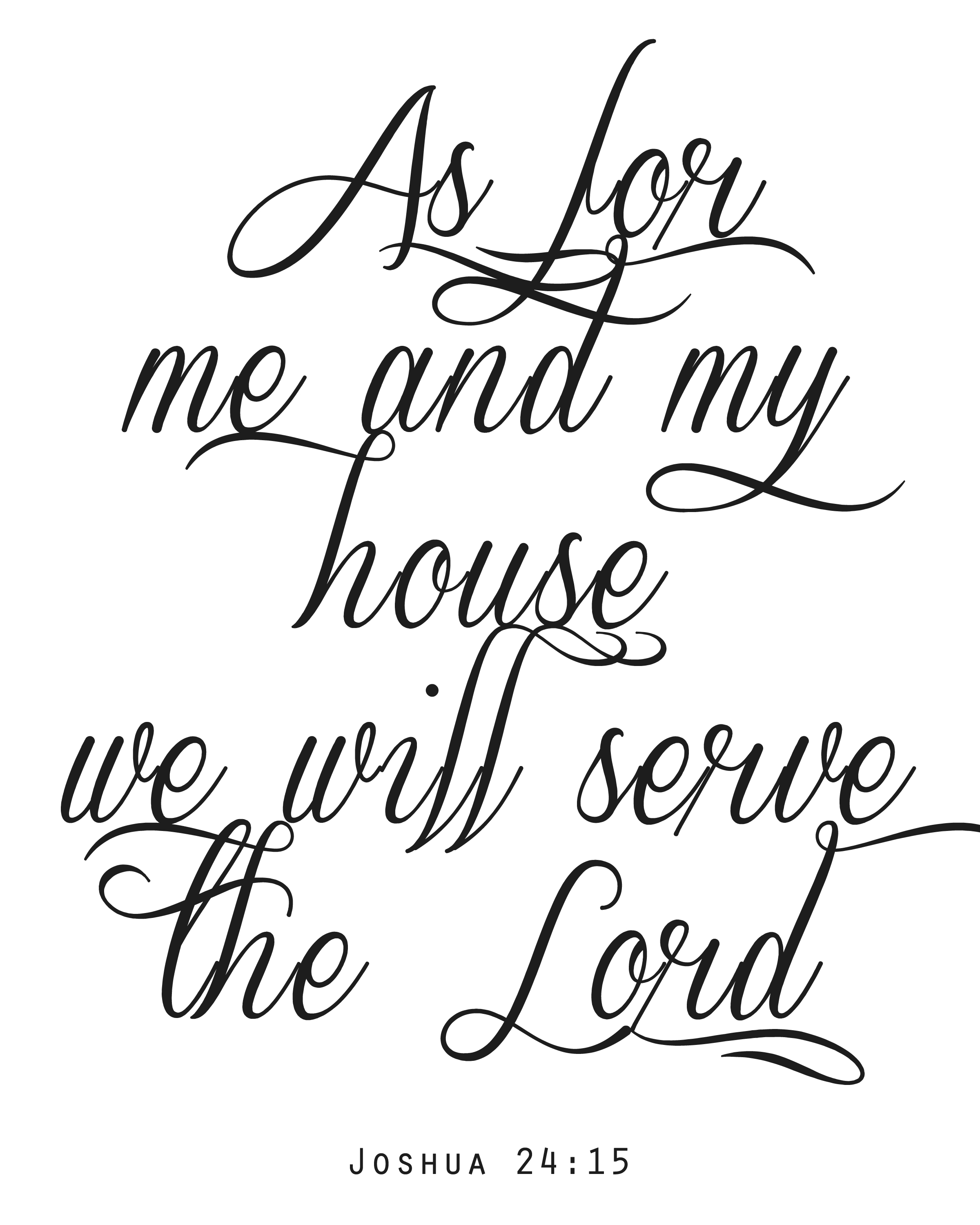
Since I’ve been hanging up art lately I have been longing to include the ‘As for me and my house’ passage in my home décor. I have drooled more than once over the infamous vintage hand-made sign from Magnolia Market of Fixer Upper fame. I’m not really sure it would suit my décor, but the point is moot because they don’t ship it to Canada. It doesn’t matter. I don’t have a spot for it, though it is beautiful. (more…)
-
DIY Photo Wall Art: Get The ‘Look’ Cheap

Art makes or breaks a wall. You know what I mean? But, it’s expensive. I’m not trying to give the impression that art has to be unattainable in cost, because it doesn’t, but buying a large piece of photography from a gallery, framed, is not going to be $35. This is my tip of the week: how to DIY photo art for cheap. Basically, you can hang photography in your home for next to nothing and make it look bad ass. All you need is my secret weapon, some nimble fingertips, and a trip to Michael’s.
These are 16×20 frames, matted, with 13×10 photographs on matte paper: $35 each (that’s Canadian, with tax). Compare to Minted for a similar size image: $200 CDN, before tax, before shipping, not matted. Yep. Wasn’t going there today. Now, Minted prints their images on archival quality paper, and I didn’t. This is like Style At Home’s much-loved High & Low Feature. This is the low, Minted is somewhere in the middle, and a downtown gallery is the high. (more…)
-
Throwing Clay: An Interview With Erica Williams
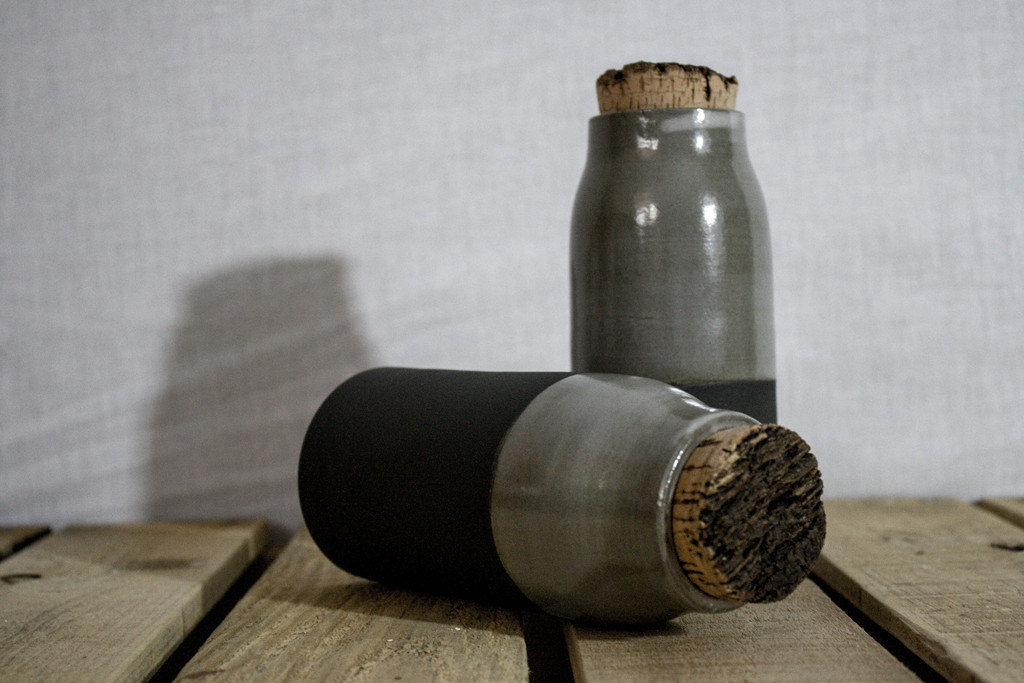
Instagram is the source of many of the best surprises that come my way; THrō Studio, with it’s modern minimalist aesthetic, being one of those little gasps of pleasure that fill my week. I don’t even recall how I stumbled across @throstudio, it was just a fortuitous collision of circumstances. There I found modern ceramics artist Erica Williams. There are plenty of pottery artists on Insta, but she caught my eye. Today she has happily consented to share some of her work with The Crux and talk to us about her clay pottery, inspiration and design, and divulge some tips on purchasing hand-crafted pieces from ceramic pottery artists.
I’ve been really into pottery lately, not doing pottery myself or even buying clay pottery, just thinking about pottery. For Christmas I gave two couples in my life the gift of a ceramics class (one of my more ingenious ideas). Mostly I’ve just been enjoying the idea of pottery, and basking in the soulful beauty of pottery. Maybe you want to bask a little with me? So, let’s see what Erica has to say about her edgy style and artistic passions.
-
5 Tips On Developing Personal Style

Here’s a little history you may or may not know. I nearly deleted this entire blog one sunny morning, back before it was The Crux, when it was just a little hole in the wall where I posted pictures of things I had made. I was hoping I could erase my visual taboo from the pages of internet history. But, a rational voice hiding somewhere in my mind reminded me that developing a sense of personal style is a journey. So, shall we have a cup of tea and talk about personal style?
Every design faux pas, every burgundy leather couch, every builder-grade fixture, is a stepping stone to developing your personal style. We should never erase our style history. The mistakes, the successes, and the eureka moments are how we learn, and they are all part of the foundation on which our person style is built. (more…)
-
F You Home Décor Industry, From A Design Blog

Ok, now that I have your attention… *dusts off hands*. Don’t get yourself too riled. The Crux is first and foremost a home design blog. This space doesn’t exist in independence of anything. The Crux is part of a large conversation about interior design that is taking place on so many platforms: magazines, books, blogs, websites, catalogues, stores, showrooms, design shows, inside an interior designer’s office, and even in your own home.
Our houses are at the centre. They are where we come home to, celebrate joy, are consumed in grief, find comfort, love one another, work, play, eat, learn, grow, and eventually, where we die. The way we style and decorate our homes is a reflection of everything a home means, of our personalities, our state of mind, and our stage in life. As such, our homes, like our lives, are framed by the tango we dance with the outside. We perceive the world and ourselves (including our sense of aesthetic) through the lens of the world perceiving us. That’s why it’s very important to think critically about everything we imbibe from the media—not to get too heavy on you too fast. By media I mean the in-your-face glossy premium magazines peppering the grocery store check out, but I also mean home design blogs or your instagram feed. Our life has become so saturated by the internet that media itself is everything.
I was floored by the amount of traffic and conversation that last week’s post 3 Tips For Artfully Messy, Deliberately Casual generated. I received plenty of feedback, little of it overtly negative, but lots of varied opinions none the less. (more…)
-
3 Tips For Artfully Messy; Deliberately Casual Style
There’s an overarching theme on my Pinterest board . It’s something I think of as artfully messy staging, but its really just casual style. You are probably familiar with what I am talking about, though you might not have spent time dwelling on it: that oh-so-casual precisely arranged “mess” that elevates a home from well-designed to “lived in”. Think unmade beds, throws tossed haphazardly, piles of pillows, leaning art or mirrors, displayed collections, and carefully curated stuff. Open shelving is often a great example of artfully messy.
You don’t want your home to look actually messy. A real mess sprouts from clutter, disorganization, clutter, uncleanliness, oh and clutter. But, there’s something to be said for deliberate casualness, for a purposeful mess. It’s most common, and probably most familiar, in the context of Bohemian style or Country Chic. I like the look of an artful mess because it’s poignantly natural, functional and aesthetically easy on the eyes.
Even Fay Wolf, self-confessed perfectionist and author of New Order: A Decluttering Handbook for Creative Folks (and Everyone Else), says that perfection is a mistake and that no good comes from having everything precisely placed. I agree with her whole-heartedly. (more…)
-
Textile Art 101: Weavings, Rugs, and Framed Fabric
This week something arrived in the mail for me, that I have been waiting for with barely suppressed impatience: a weaving. I’ve been interested in getting some textile art for our living room for a while. I first got a glimpse of this particular weaving trend from a news story in June about a young artist in Toronto named Carmen Vicente. I thought about making one myself for a while, but I’m extremely inexperienced with fibre arts. After a lot of hunting around I found a great weaving from Woodrow and Co. (located near Toronto) – note the black. I’m on such a black kick right now.
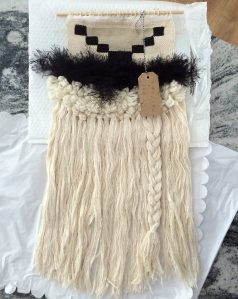
Isn’t it beautiful? The thing is, it isn’t just weaving that makes great pieces of art for your walls. Basically any textile provides untapped potential for unique art in your home. What I particularly LOVE about textile art is that it adds an additional layer of texture to your décor. What is the secret to a well styled space? Layers of texture. So, textile art… here we go: (more…)
-
Embracing Matte Black In Décor
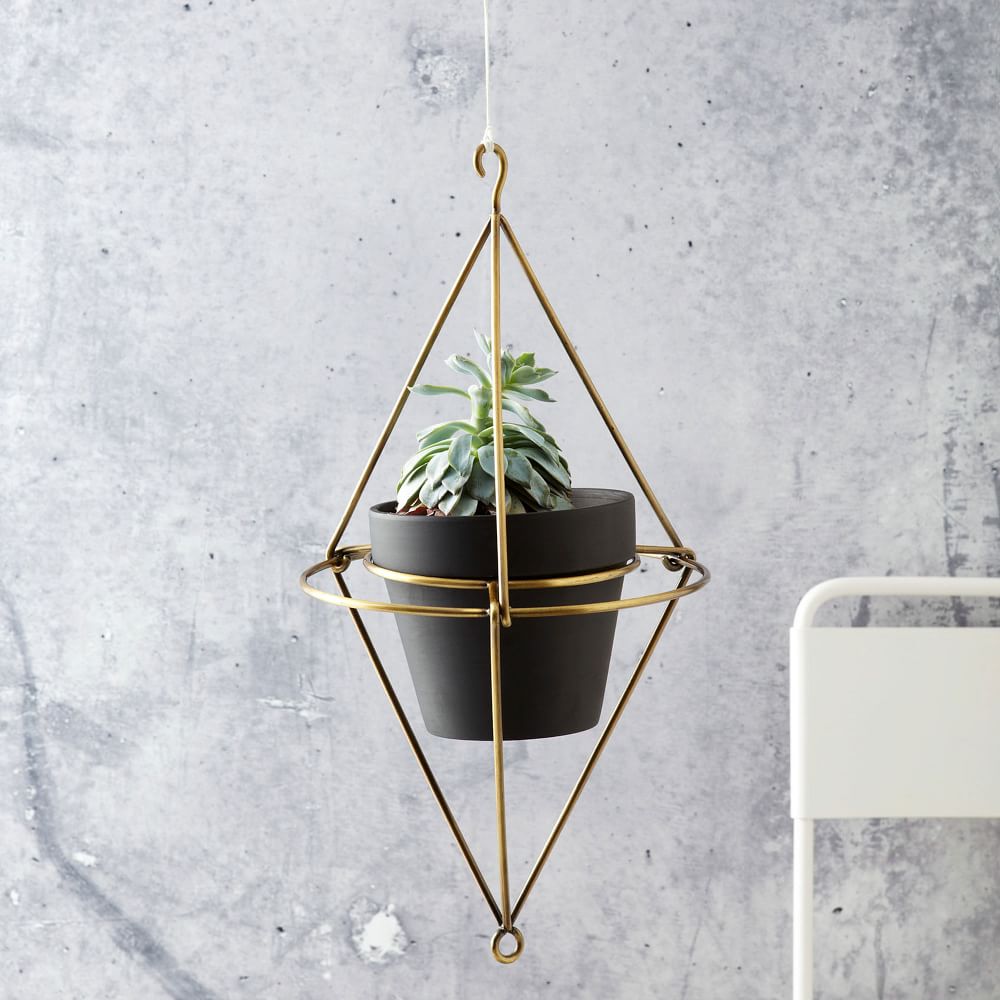
This autumn, while supervising an interior photo shoot, I got to experience black in a world of white. In a wonderfully mid-century meets contemporary Southampton home I witnessed the glory of black interior doors first hand, something I had only read about before. The designer had taken a leap and it had paid off. The shoot got me thinking a lot about black. Lo and behold I picked up the January issue of Style At Home, nicely refreshed from a relaxing unplugged December, and you know what I noticed on almost every page? I will give you a hint: It wasn’t a black door, but it was matte black décor. Black. Black. Black, popping up tucked in corners, on tabletops, and walls. A subtle, yet recurring theme.

White homes, white walls, white kitchens, pale neutrals and shiny golds and brasses, rich bohemian patterns—these are the colours everyone seems to be in love with. How long has the white kitchen been The Look? A long time. 10+ years. The white kitchen might be here to stay, but you know what goes great with white? Yep, black. I have some ideas on how matte black décor can become a really amazing element of your style. (more…)
2016, black, color, colour, decor, decorating, design, home decor, inspiration, interior design, matte, style, trends -
Ogee Drop Tiles and What You Need To Know
Have you ever heard of an ogee? If you haven’t heard of one you’ve definitely seen one. Ogee-derived shapes have inspired all of those fun geometrics in tile design that are being referred to as Moroccan right now. The most referenced being the classic arabesque, as well as this little tile below that people are calling a Moroccan fish scale tile, but which is actually termed an ogee drop. The huge disparity in terminology around the ogee drop and other ogee-derived shapes, and a lack of information and history is making for a lot of misinformation on the internet and in home décor shops these days.

What is an ogee?
Let’s backtrack. An ogee by definition is simply an S-like curve, consisting of two arcs that curve in opposite directions so that the ends are parallel. In architecture the term describes an arch that is comprised of two mirroring ogees which meet at an apex, and was a popular feature of English Gothic architecture (see image directly below). So what happened between the period of Gothic architecture in 13th century Europe and now that has produced the iconic shapes gracing magazine kitchen backslashes and bathrooms, and a swath of rich textiles being attributed to Morocco? I’m not entirely sure, but someone with a passing knowledge of Moroccan mosaics and lacking any knowledge of English Gothic architecture probably recognized a similar geometric structure and labelled it as such. Then, as per the customs of the internet, misnomer chaos ensued.

A classic English Gothic ogee arch.
In the context of tile there is no single ogee shape, but many shapes partially inspired by the classic architectural elements of the ogee. The most accurate reflection of a true ogee is this tile shape, which is the quintessential ogee arch from Gothic architecture mirrored against another arch. The arabesque style is the second most similar patterning, which follows the basic geometric shape with Moroccan-inspired detailing on the edges. Some of the other silhouettes in this category of geometric tile include a quatrefoil, a paseo and a drop or fan shape (as shown above). The ogee drop pictured here is referred to as a fish scale tile (or Moroccan fish scale tile), a fan tile, and upside down tear drop tile, and an ogee drop tile, but they all refer to the same shape. The ogee drop can be combined with three other ogee drops to create a true mirrored ogee arch. Does your head hurt yet? Am I saying ogee too much? Oh gee. I better stop.
I have the pleasure of working with interior designer Heather Smillie in an editorial capacity and she graciously guided us through some key elements of our renovation. I think the best thing she did for us was suggest this ogee drop from Centura tile, which they aptly name “Fan Series”. The Canadian company recommends combining the tiles to create that fish scale look that is being termed “Moroccan fish scale tile”. When I brought home the boxes of tile my boyfriend took one look at it and instinctively arranged it into something completely other (which of coursed has been dubbed the “Moroccan pattern” by Fireclay Tile). Maybe it’s Fireclay we can blame for this Moroccan fiasco.
At first I saw only the long intersecting repeating waves, but if you narrow down your focus you will see that with his pattern three tiles creates a true ogee arch, and the fourth mirrors the pattern on itself. I definitely disagree with Fireclay’s pronouncement about this pattern, to me its inspiration comes from the rich English Gothic door mouldings. Here’s an example of another kitchen where the same pattern was applied, but with a dark grout.
Compare the recommended design from Centura (left) to our own design (right)—I swayed a lot on this decision but I’m truly glad we veered off the original course.


The ogee drop is an incredibly flexible shape that can be arranged into four different patterns.


Top left and bottom left are clearly the pattern that has inspired the Moroccan fish scale label, top right has a sail-caught-in-the-wind look to it, while bottom right shows the class ogee arch mirrored on itself.
I’m done rambling. If you have more questions about this tile feel free to comment or shoot me an email but I’m not sure I will be able to answer them. I had a lot of difficulty uncovering information about ogee tiles and I would love to hear more about them if you happen to have some knowledge. Here are some photos of our ogee drops in action.


Ceramic backsplash tile: Centura‘s Fan Series by Equipe Ceramics from House Rules Design Shop
Counter tops: Viscount Grey Granite from The Old Barn
Cabinetry: Walnut shaker-style custom cabinetry by Beachwood Cabinetry
Pot filler: Contemporary Wall Mount Pot Filler Chrome Finish from Delta Faucets
Flooring: Macadamia Oak Laminate Flooring from Balterio
Sink: Granite sink in Grey from Bristol SinksThe ogee shape is a classic architectural element that has been used for centuries to add elegance and visual interest to buildings. The term “ogee” comes from the French word “ogive,” which means a pointed arch or rib. The ogee shape is created by two curves of different radii, one concave and one convex, meeting at a point. This creates a graceful, S-shaped curve that can be seen in a wide range of architectural styles.
The ogee shape has been used in architectural design since ancient times, with examples found in ancient Egyptian and Greek buildings. However, it was during the Gothic period in Europe, from the 12th to the 16th century, that the ogee shape really came into its own. Gothic architecture is characterized by its pointed arches, ribbed vaults, and flying buttresses, all of which make extensive use of the ogee shape.
One of the most famous examples of the use of the ogee shape in Gothic architecture is the arches of the choir screen at Canterbury Cathedral in England. These arches are made up of a series of ogees, which create a sense of movement and fluidity in the design. The ogee shape was also used extensively in the tracery of Gothic stained glass windows, which often featured complex designs made up of multiple ogees.
In the Renaissance period, which followed the Gothic era, the ogee shape continued to be used, albeit in a more restrained and classical form. One of the most famous examples of the use of the ogee shape in Renaissance architecture is the dome of the Florence Cathedral, which features a series of convex and concave curves that create a sense of depth and movement.
In more recent times, the ogee shape has been used in a wide range of architectural styles, from Art Deco to contemporary design. It continues to be a popular element in architectural ornamentation, adding a sense of elegance and sophistication to buildings. Whether used in a classical or modern context, the ogee shape is a timeless architectural element that has stood the test of time. -
DIY Quilted Waterproof Picnic Blanket
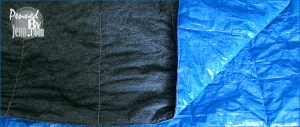
I live at the beach. That’s a fact that inevitably leads to two problems, the first is spending too much time baking in the hot sun. The second is more easily solved: sand. Sand gets everywhere. It drives me mad, the way tiny granules of sand worm their way inside beach blankets. You might say sand is one of my great foes. Nearly impossible to extract from the blanket, it inevitably finds itself dispersed on your clean floors, until your whole home is covered in a light dusting of eroded rock. Similarly, it’s annoying when you drop down your blanket on a patch of grass and later discover its caked in mud. It sucks when you find the sand is damp and your blanket starts soaking through.
 basket, beach, blanket, cutlery holder, DIY, picnic, project, quilt, sand-proof, sewing, tarp, waterproof