-
Learning To Decorate With Wood Trim + Picking Paint Colours
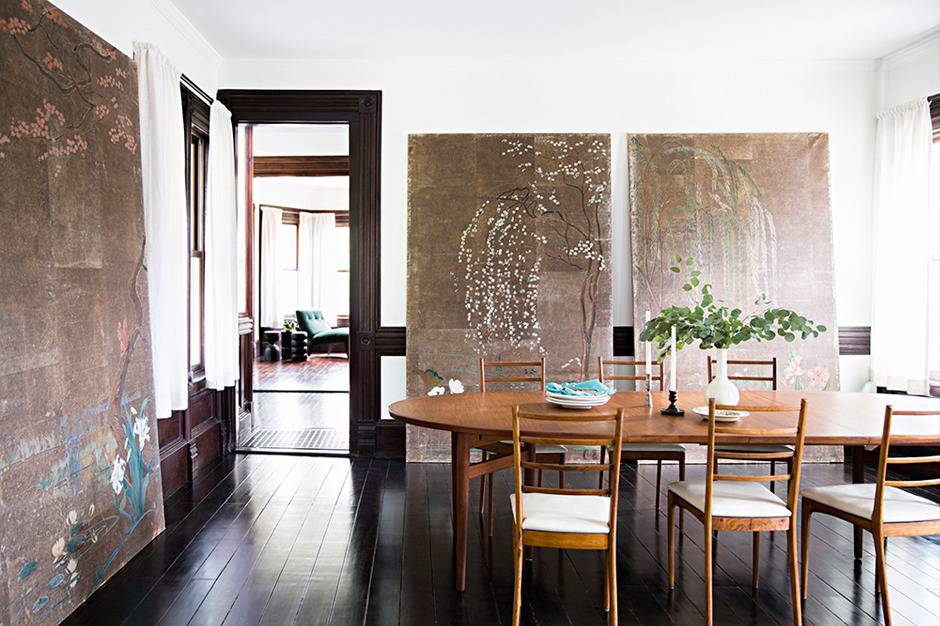
When we first decided to purchase Spruce Lawn one of the things I was dreading most was dealing with, what at the time, I considered the BS or “baseboard situation”. The house features mostly the original wood trim and I didn’t care for all that wood. Now I’ve done a complete 180° on the subject and I want to talk to you a little bit about why that’s happened, because I think there’s a myth perpetuated in contemporary interior design, which I long-subscribed to, that suggests wood trim is bad and dated, and white trim is good and modern.
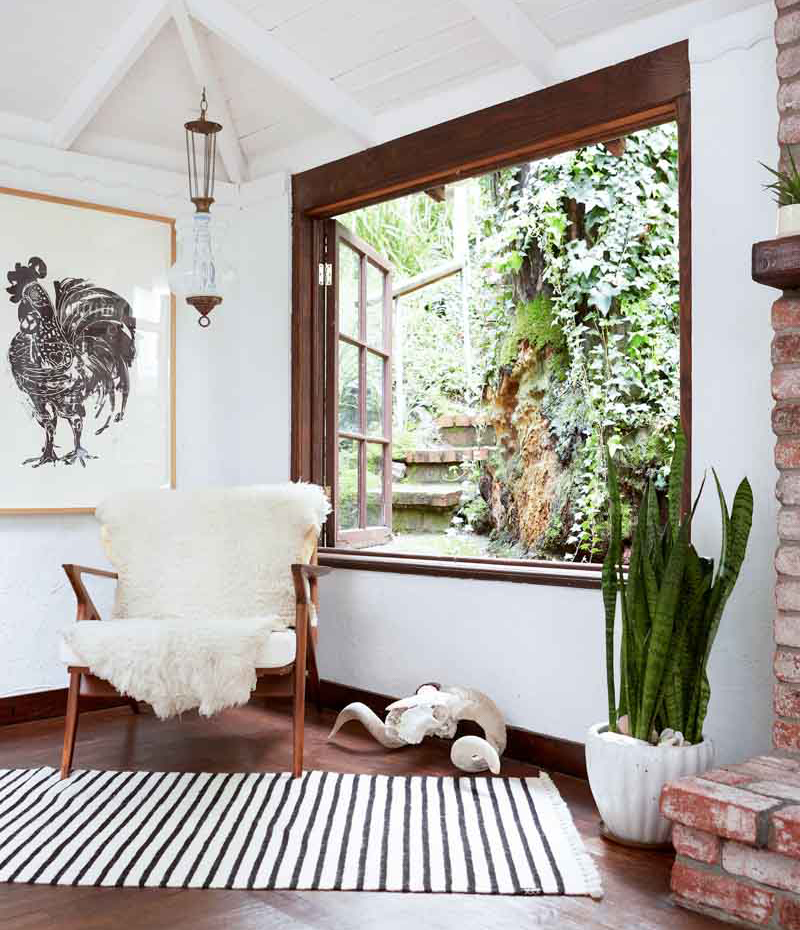
via Design Sponge
The reality is not so nearly black and white. I now recognize that the real problem is cheap trim looks bad and expensive trim looks fantastic, regardless of whether or not it’s wood or white. Thick, high, and detailed solid wood trim will cost you, but let me tell you right now that the thin, small, cheap wood trim is actually what looks dated and tacky. You can’t cheap out with wood trim, if you do it will cost you in aesthetic impact a thousand times over.
-
Freshly Picked Blackberry Custard Pie With Blackberry Reduction Sauce

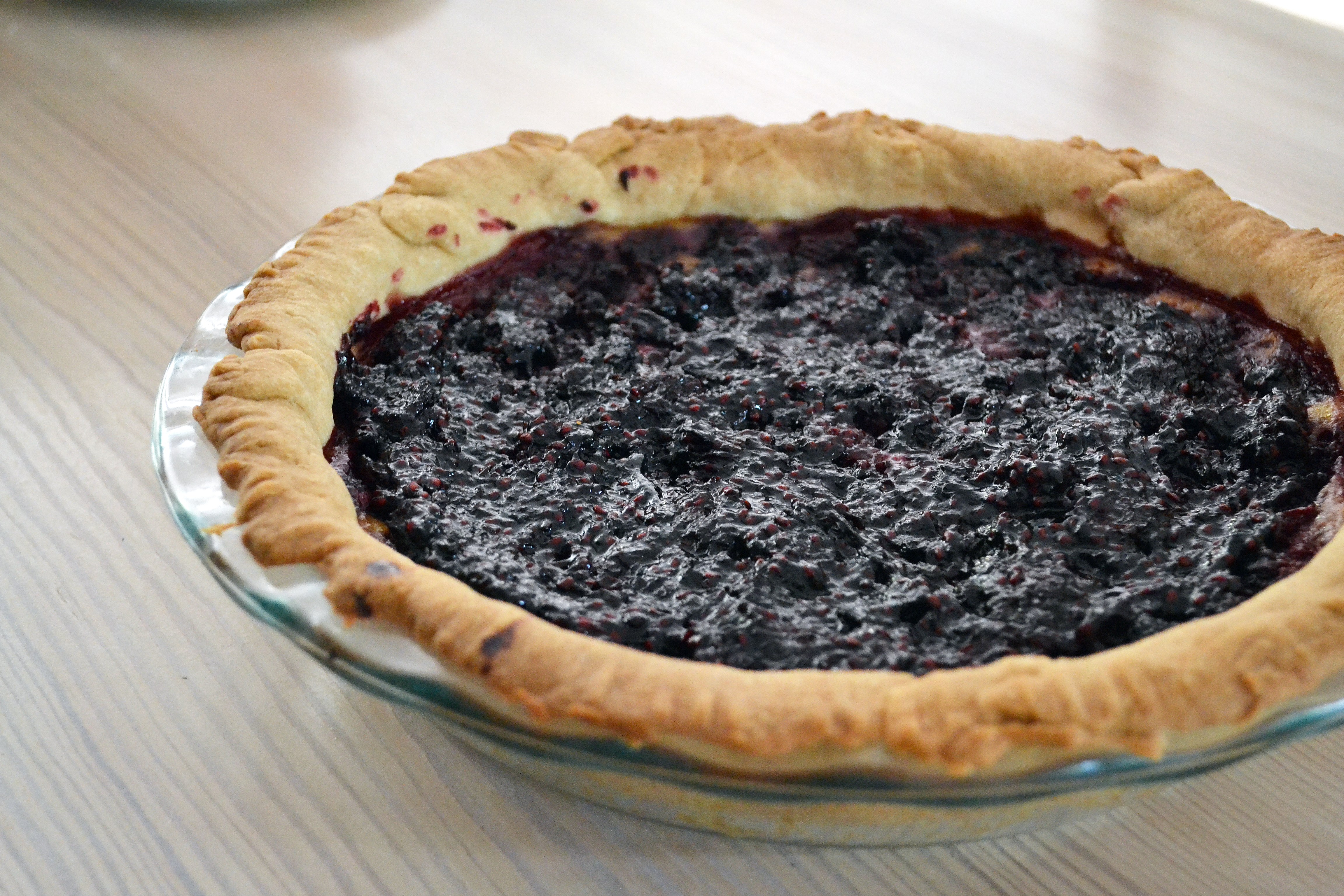
Two days ago my other half pulled open the crisper to find that the huge basket of blackberries he had picked were turning to mush and smelled vaguely of cheap wine. So, I spent the better half of the evening trying to decide what I could make with all those blackberries and what I came up with was this fabulous blackberry custard pie topped with a blackberry reduction.
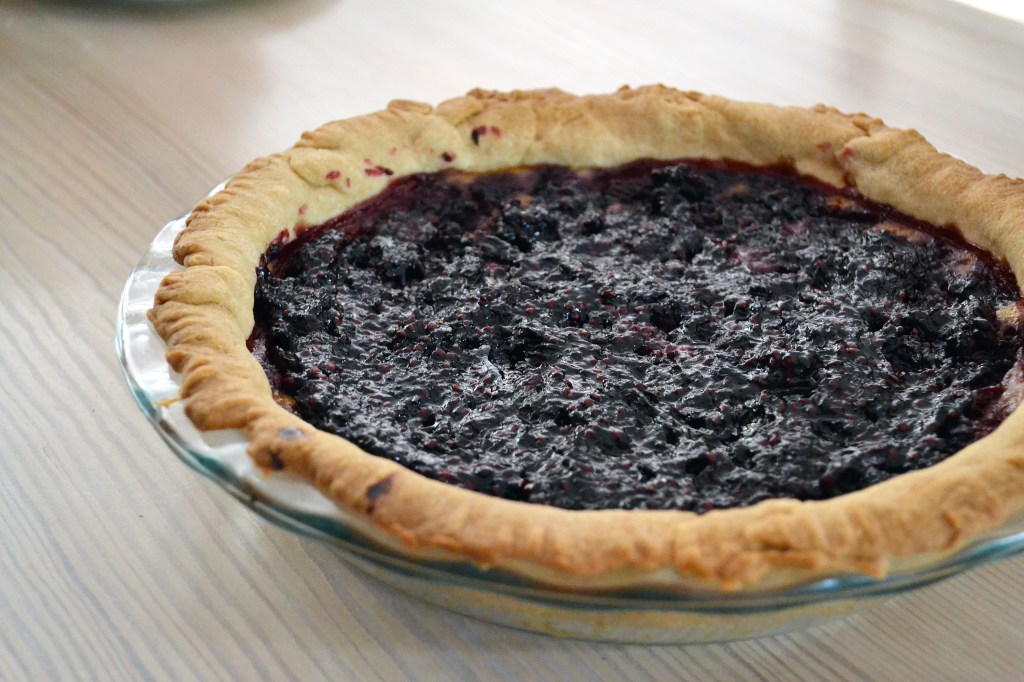
Before I arrived at pie, I briefly flipped through my trusted sidekick Preserving by Pat Crocker in search of some type of blackberry preserve recipe, but decided there weren’t enough berries for a small batch of jam. Then I recalled the most delicious pie my mother-in-law had brought home from a nearby bakery the other night—something called a blackberry yogurt pie. I surmised that the “yogurt” was actually a custard, and thus this recipe for a blackberry custard pie was born.
-
A Yellow Brick Farmhouse
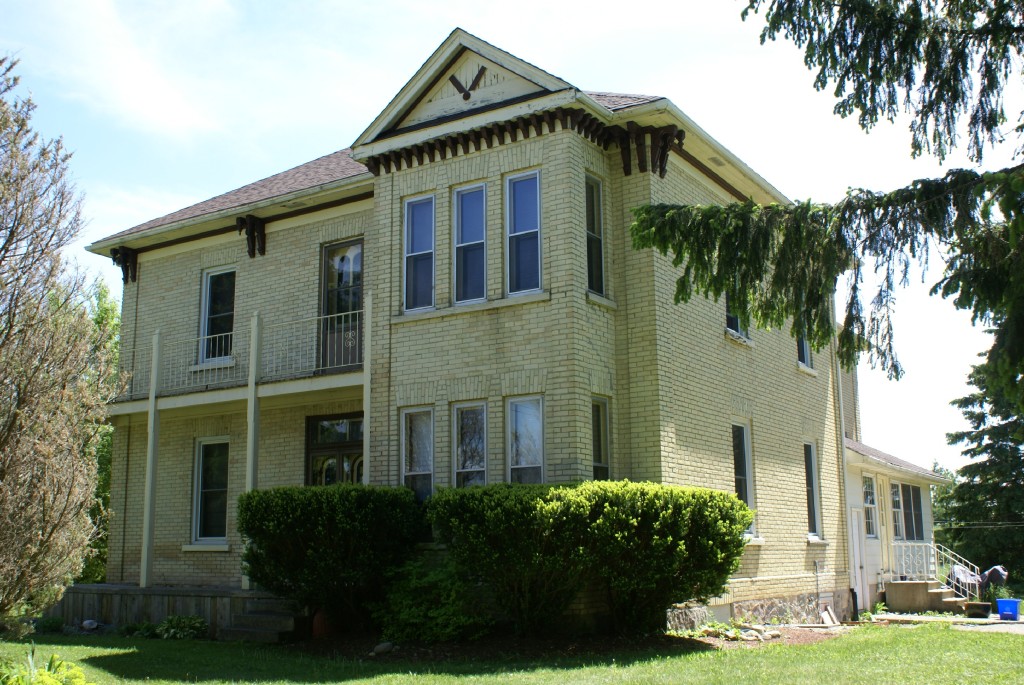
Hi readers. I know I haven’t posted at all this summer and I’m not going to go into the details, except to say that I haven’t much felt like it mostly because I’ve been exceptionally busy lazing around at the beach. Oh and buying a house. Sorry, did I bury the lead there? We are purchasing a beautiful 124-year-old (ish) yellow brick farmhouse + acreage. It’s just so fabulous and I can’t wait to share it with you, which is what I am going to be doing for the foreseeable future because this house needs some love and it’s going to take a while to shine it up nice.

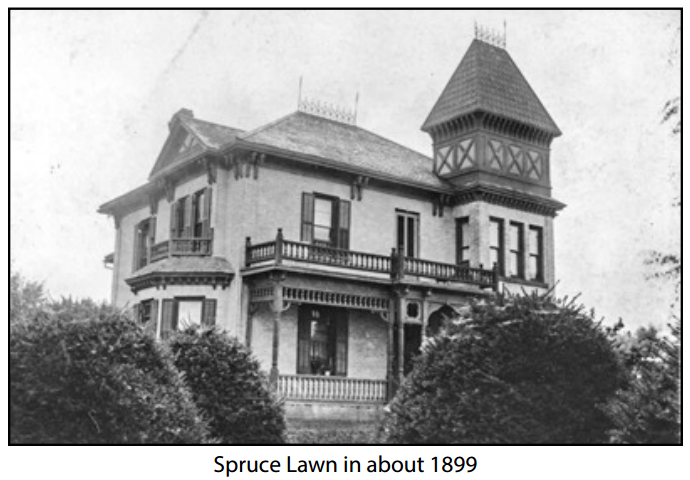
Of course I’ve been researching. An Italianate style yellow brick home, built between 1884 and 1899, it was first the home of a once-prominent businessman and mill owner, named Thomas Pickard, in the small hamlet of Glammis, Ontario. It was originally dubbed Spruce Lawn, a name we plan to keep for the sake of historical authenticity. Here’s a nice little snippet I found written about the place in the local historical society’s book:
The new residence, with extensive landscaped gardens, was called “Spruce Lawn” and was quite a showpiece. Much entertaining of community and extended family took place in the large beautiful home full of young people. Spruce Lawn was the scene of at least three weddings.
Here’s a historical photo of the property. As you can see the cupola has long-since been removed. We move-in sometime this autumn, late October probably. Wish us luck!
-
Grey-Washing A Red Brick Fireplace: Before And After
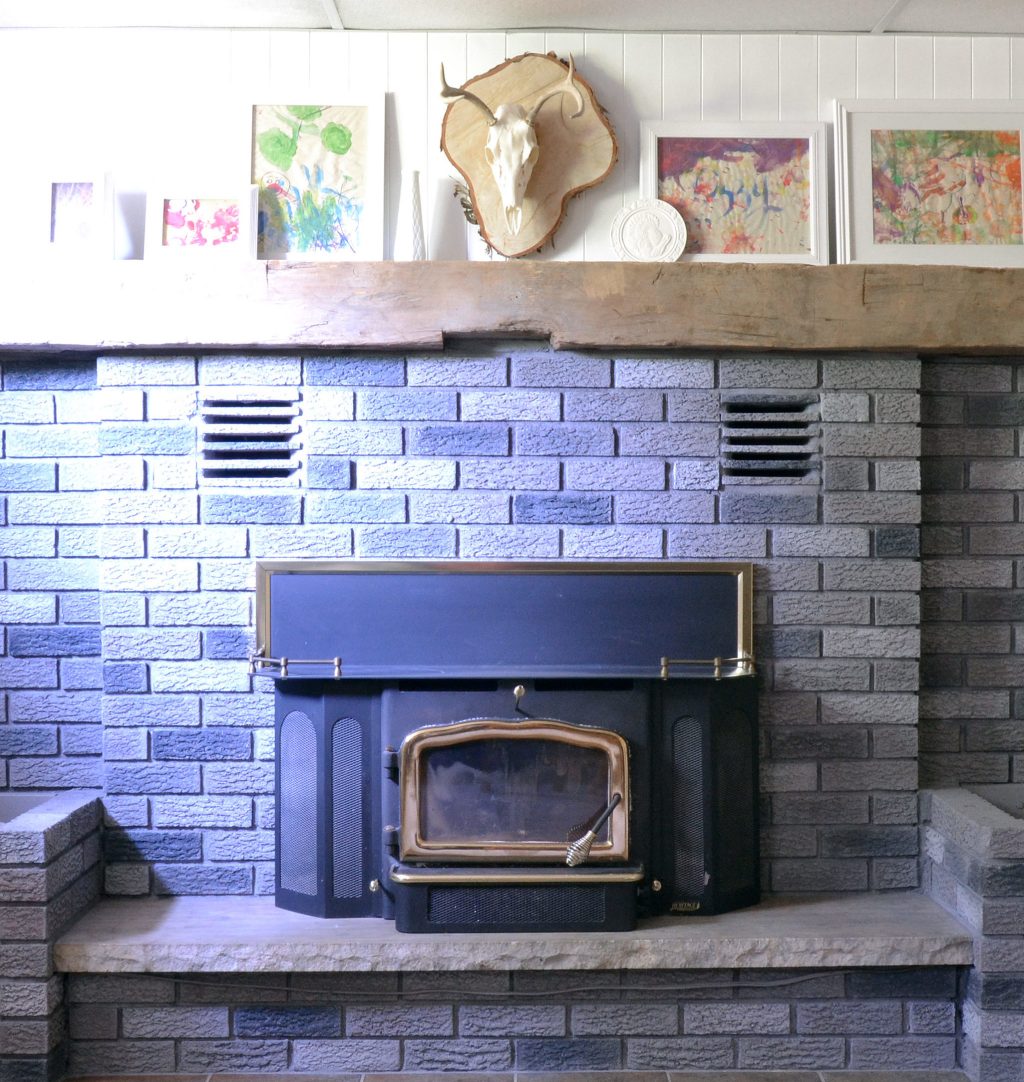
Fireplaces are central to the home. The hearth wouldn’t be such an iconic concept and word if it wasn’t important to the family. So, if your fireplace is focal and important, shouldn’t it look nice? Unfortunately, almost all houses have ugly fireplaces, unless you built yourself. Why that is, I can’t answer, but it’s something that can be remedied very easily with a grey paint wash or a white paint wash. I’ve now painted several brick fireplaces with paint washes and you can see more of that on my Instagram account. Click to jump to method and source guide, or scroll down.
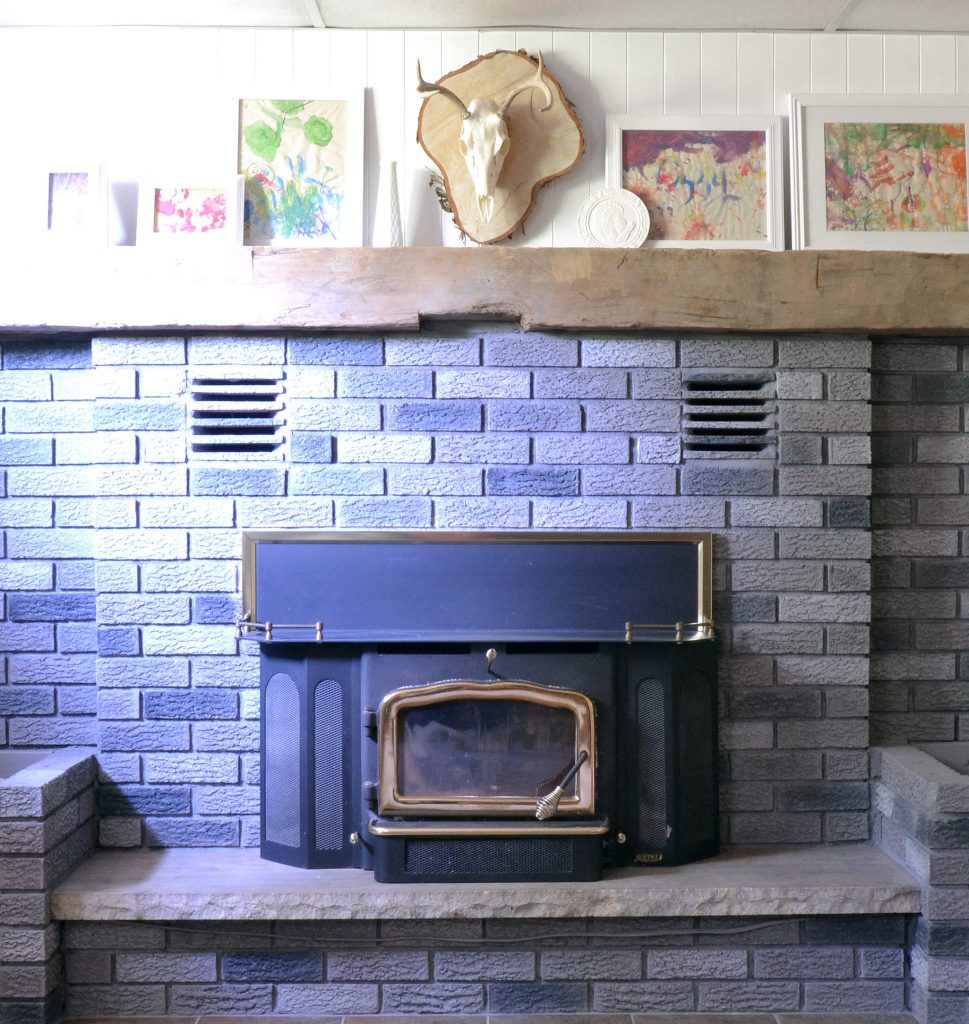
A white wash wasn’t going to fly with my fiancé, and I’m actually glad we didn’t go that route because I am so happy with how the grey paint wash turned out. As you can see this fireplace is in our basement and it was dark, dank and RED before. I was really scared to tackle the grey paint wash, because I was worried that I would do something wrong. But guess what, it was so easy. I had nothing to worry about and neither do you, because you could literally do this in your sleep. You can’t screw it up!
Let’s back track and I will show you the before so you can understand the complete transformation that this project created. I know you can’t tell it from the above shot, but this is a wall-to-wall brick fireplace. It was a monstrosity of red brick and pine bead board.
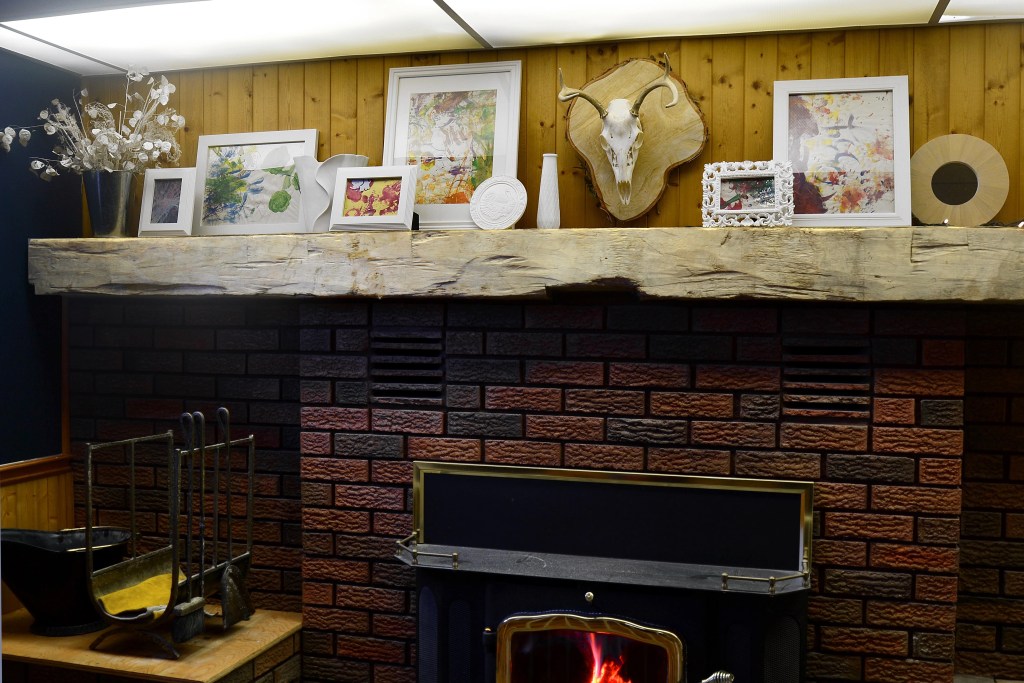
My fiancé has long took a firm stance against my desire to paint brick. I think he was envisioning some kind of glossy thick oil paint scenario. Oh no boy, you couldn’t be more wrong. When he finally relented I wasted no time, perchance he changed his mind. I mean, he literally left for work the next morning and I whipped out the paint.
Let me tell you. He was very abashed when he came how and saw how wonderful the fireplace looked. He couldn’t stop saying, “wow” to me. And he downright admitted he had been wrong all those years (something unheard of in our relationship).
-
The Great Etsy Deception
Have you ever visited howetsyrapedamerica.com? If you haven’t maybe you should. It’s a compilation of posts targeting profitable and “fraudulent” Etsy sellers over the span of a year—businesses selling mass-produced goods often purchased from Asian wholesalers, under the moniker of handmade or custom made, at the expense and abuse of unsuspecting shoppers. We’re talking everything from home décor to knitted scarves.
These Etsy sellers have become increasingly prolific over the past couple years, ever since Chad Dickerson took over as CEO in late 2013 and lifted a ban that previously required Etsy sellers to manufacture goods solely by themselves. In the span of just two years Etsy has been flooded with cheap knock-off products marketed under a banner of down-home-grass-roots-made-by-barefoot-mothers-in-their-kitchens goodness.
On average, customers have little to no knowledge about the changes in Etsy’s policies or how those changes are being exploited. The rise of unethical shops also has a negative impact on reputable sellers. In fact, many reputable sellers have reported their statistics and sales tanking as they drown in a feed of mass produced goods, while still others have fled Etsy altogether.
People have an instinctual urge to trust in person-to-person exchanges, whereas they might be a great deal more guarded and critical of advertising when dealing with a corporation. Etsy sells itself on a reputation of trust wrapped in a gauze of wholesome handcrafts and hard-earned artisan skill, most of which is a façade lingering from the days of Etsy’s origins. Traditionally speaking, we understand hand crafted to mean crafted by the same pair of hands from start to finish. Sellers who wield that term to mean anything other are being expertly and intentionally deceptive.
How many thousands of customers are duped into buying mass-produced goods with enormous profit margins on Etsy each year, thinking they’ve just acquired a custom one-of-a-kind piece and are supporting a home-based crafter? There is no real way to know, but hazarding a guess at many, many thousands would probably be safe.
I’ve purchased products, with judicious care, from Etsy in the past. I’ve written an article for Catalyst Magazine about Etsy’s thriving indie wedding dress industry. I’m no stranger to Etsy, but I’ve been familiar for some time with the presence of knock-off crafts. However, it was only recently that I became aware of how pervasive and under-reported the problem has become.
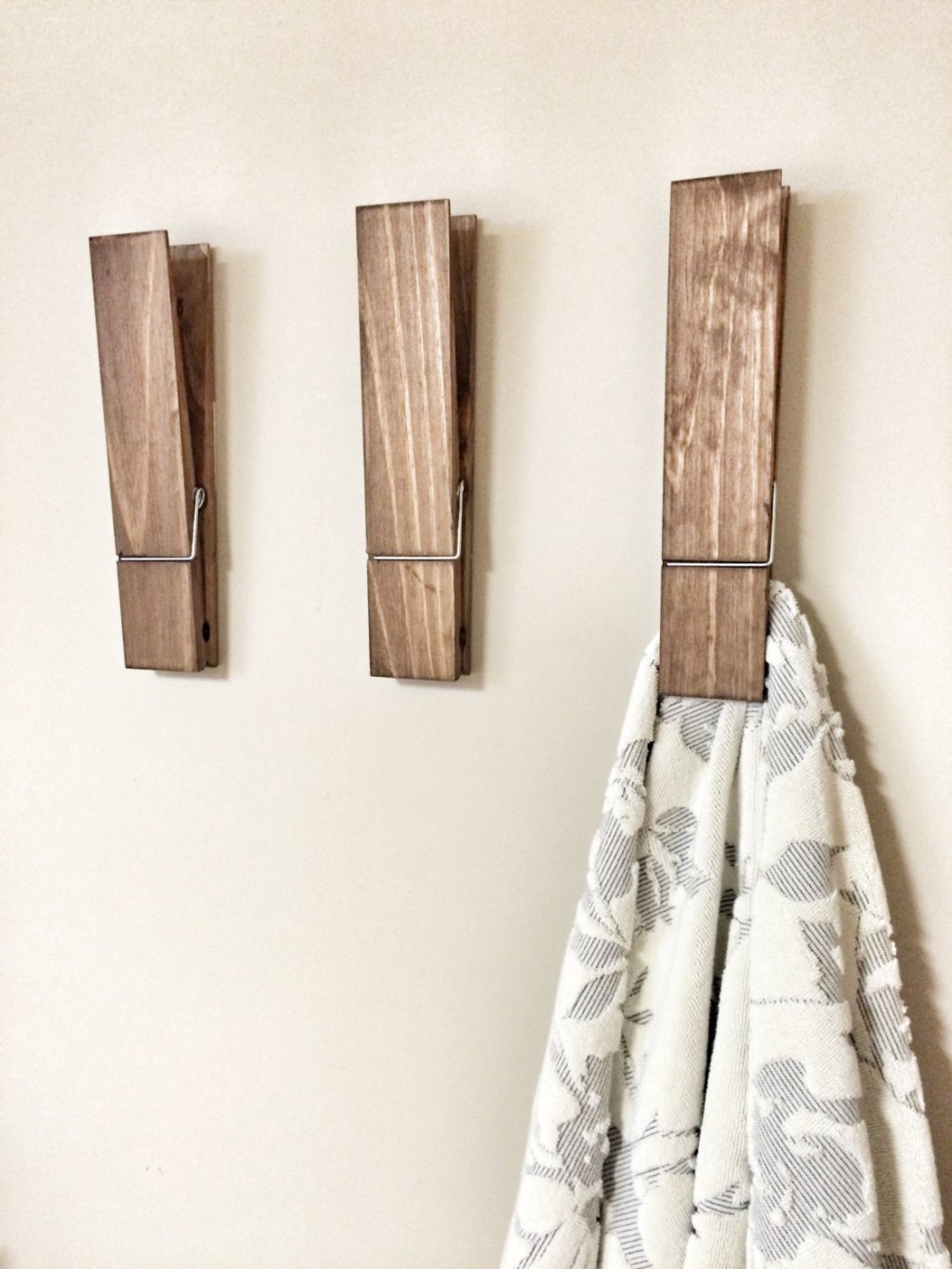
Spending just a bit of time scrolling DIY ideas on Pinterest or browsing search results on Etsy will will inevitably drive you to plenty of dubious shops. For example, an Etsy seller called Cherry Tree Gallery, based out of Winnipeg, Manitoba was selling jumbo clothes pins for $37.18 a pop in the spring of 2016. A quick dive through Google brings up a link to the exact same product via Woodcrafter.com for $5.28.
The seller was buying the unfinished clothes pins in bulk for $5.28 each (plus a flat rate of $15 shipping), then staining them and selling them for $37.18 plus shipping. I immediately navigated back to Etsy and read the posting in full, noting the description as hand-made. Thousands of people have favourited this particular item, but it was all a lie. A quick Etsy searched revealed dozens of other shops selling the exact same product, claiming the same handmade status. I sifted through all the reviews until I found these two four-star comments:
Louise: I felt that the quality of these were not the standard I would have expected for the amount paid. They were very loose and beginning to slide apart.
Elizabeth: After the receipt of the item I was disappointed to see the quality of my clips. The ones I had ordered to be coloured bleached birch were simply white, and in addition I could see strips of painting on the sides. It has disappointed me, especially when I think about the price of the item. (Translated from French)
In a society that runs on commercially generated goods, the idea that something is hand produced by individuals is very attractive. Each hand crafted item tells the story of the palms that shaped it. Shopping handmade goods lets us touch a human past that is less capitalist and less industrialized. Hand crafted items are not simply saught for their quality, but for the authenticity of trading tangible resources with everyday people, who benefit immediately on a measurable scale from the exchange. But Etsy shoppers are being played, their desires exploited, by sellers and businesses that have tapped into this cultural longing.
In early 2015 a series of news articles and blog posts rocketed around the internet about a seller called Three Bird Nest after it came to light that the company was selling mass-produced products on Etsy. Three Bird Nest is run by a woman named Alicia Shaffer and fronted by an attractive blonde model photographed in Instagram-worthy poses. Shaffer originally claimed to employ 25 local seamstresses in the production of her wares, but was later confirmed to source much of her inventory through foreign wholesale sellers. She was estimated to be raking in approximately $1 million in revenue annually at the time the story broke. In the end the story generated enough publicity that her peers drove her off Etsy, though she’s still out there hawking her wares. Unfortunately, the outraged masses ran out of steam shortly afterwards, despite the fact that she was just a big fish in an overflowing pond.
Since that time, very little has been written on the ongoing situation at Etsy. Most of the articles available relating to the plundering taking place behind Etsy’s seamingly hand crafted front doors is old, dating back to early to late spring of 2015 when the scandal involving Three Bird Nest broke, including a New York Times exposé on the issue. I have been unable to locate any recent pieces (2016) that speak to the ongoing problems of faux crafting on Etsy. It seems the issue of counterfeit and mass produced goods has dropped off the social radar, but if anything the situation is more out of control than before.
Unfortunately, counterfeit and faux crafted goods aren’t an issue solely relegated to Etsy. Perhaps we can’t blame Etsy for creating the problem, but we can certainly blame the company for facilitating it with loose policies that abandon its grass roots foundations. This is also a trend that has appeared on platforms like Facebook, or in-person craft markets and fairs. Perhaps you didn’t notice it before, but you will now. All in all, faux crafters have done a terrible disservice to the industry and to consumers.
-
Is Utilitarian Décor and Utilitarian Design Really Utilitarian?

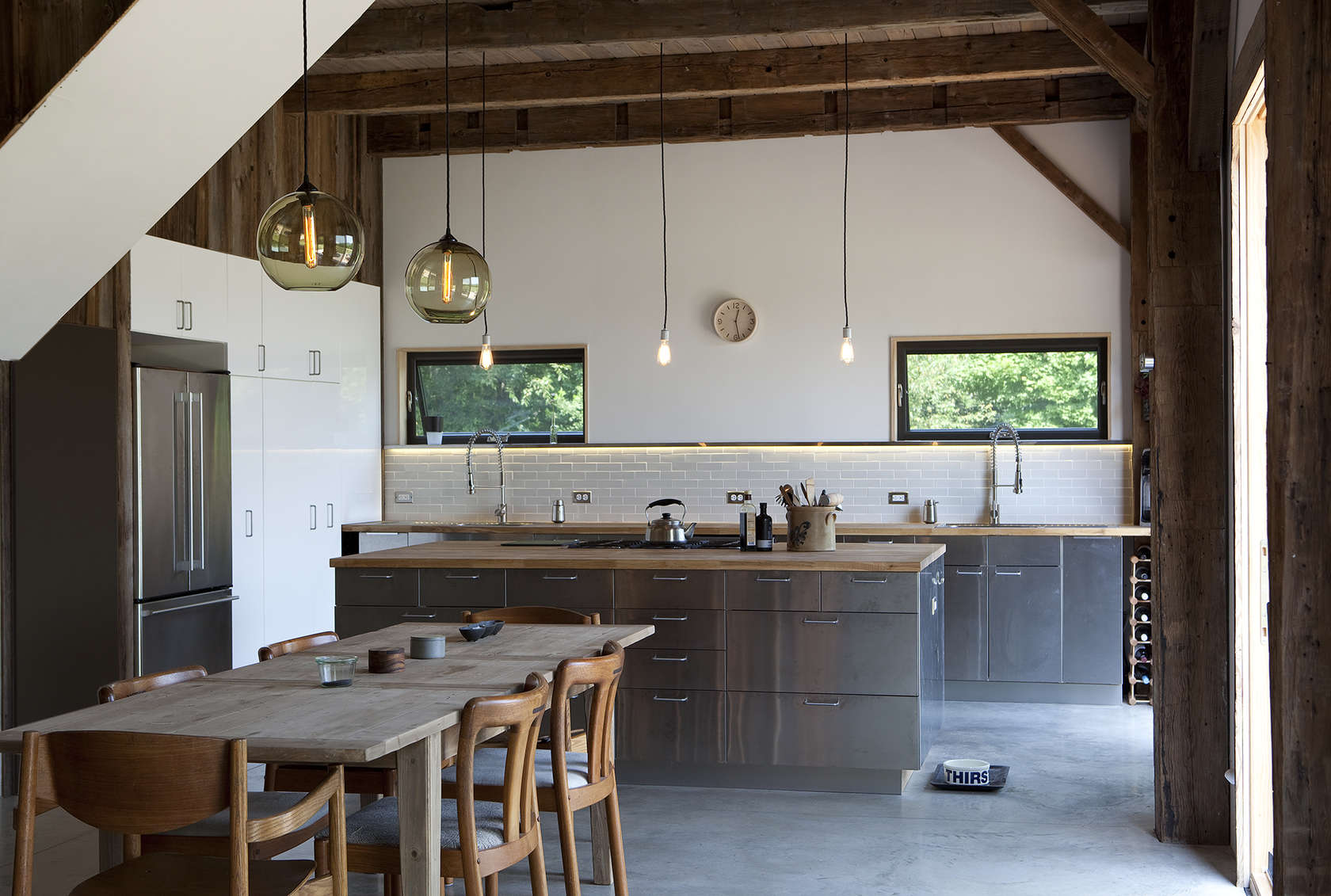
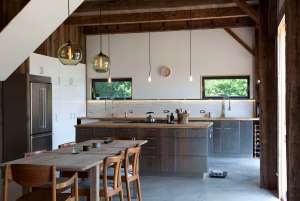
Today I want to talk a little about utilitarianism in terms of utilitarian design. I’ve become increasingly less happy with stuff, so I’ve simultaneously become increasingly more happy about the idea of creating a super-functional and pragmatic space. I’ve been going through my home and thinking carefully about whether or not the items in it serve a purpose. I have a long way left to go. Here’s a great example of a utilitarian space… I am aspiring.
Kimberly Peck Architect utilitarian n. and adj.*
A. n.
One who holds, advocates, or supports the doctrine of utilitarianism; one who considers utility the standard of whatever is good for man; also, a person devoted to mere utility or material interests.
B. adj.
Of philosophy, principles, etc.: Consisting in or based upon utility; spec. that regards the greatest good or happiness of the greatest number as the chief consideration or rule of morality.
Of or pertaining to utility; relating to mere material interests.
In quasi-depreciative use: Having regard to mere utility rather than beauty, amenity, etc.
According to designer Adrienne Chinn, “The key elements of utilitarian style are function, edginess and unpretentiousness.” (more…)
-
The Upcycling Origins Of Furniture Rehabbing And Fixer Upper Style

Over the past decade the popularization of the upcycling movement has paved the way for our ever-broadening love of DIYing, vintage chic or shaby chicc, the modern farmhouse look, and the concept of the fixer upper and fixer upper style.

Though we think of upcycling in a relatively contemporary context, the term was first coined in the early 90s and creative reuse centres (being places that collect and redistribute reusable materials) have been in place in the 1970s. (more…)
-
Kitchen Table Makeover With Chalk Paint
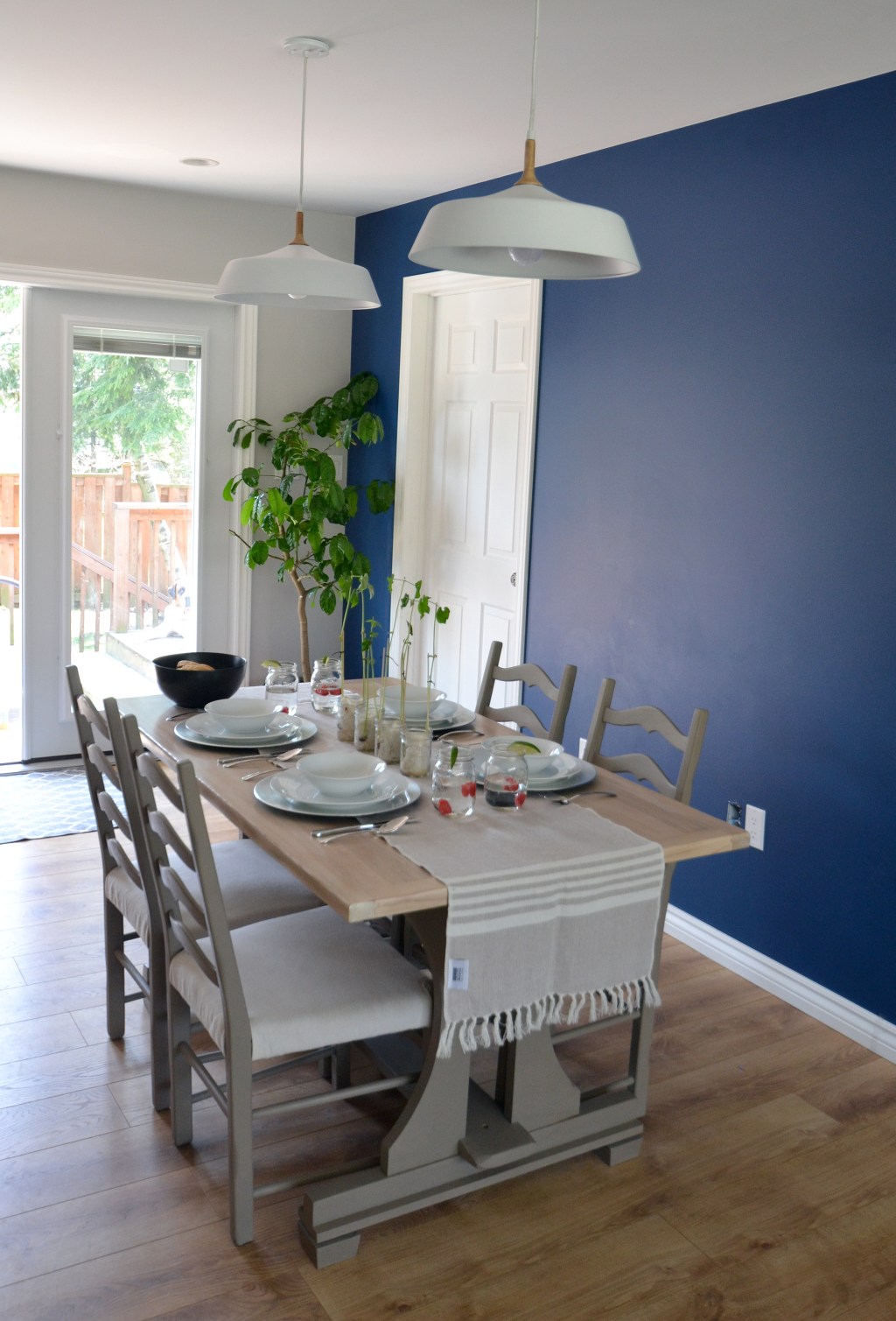
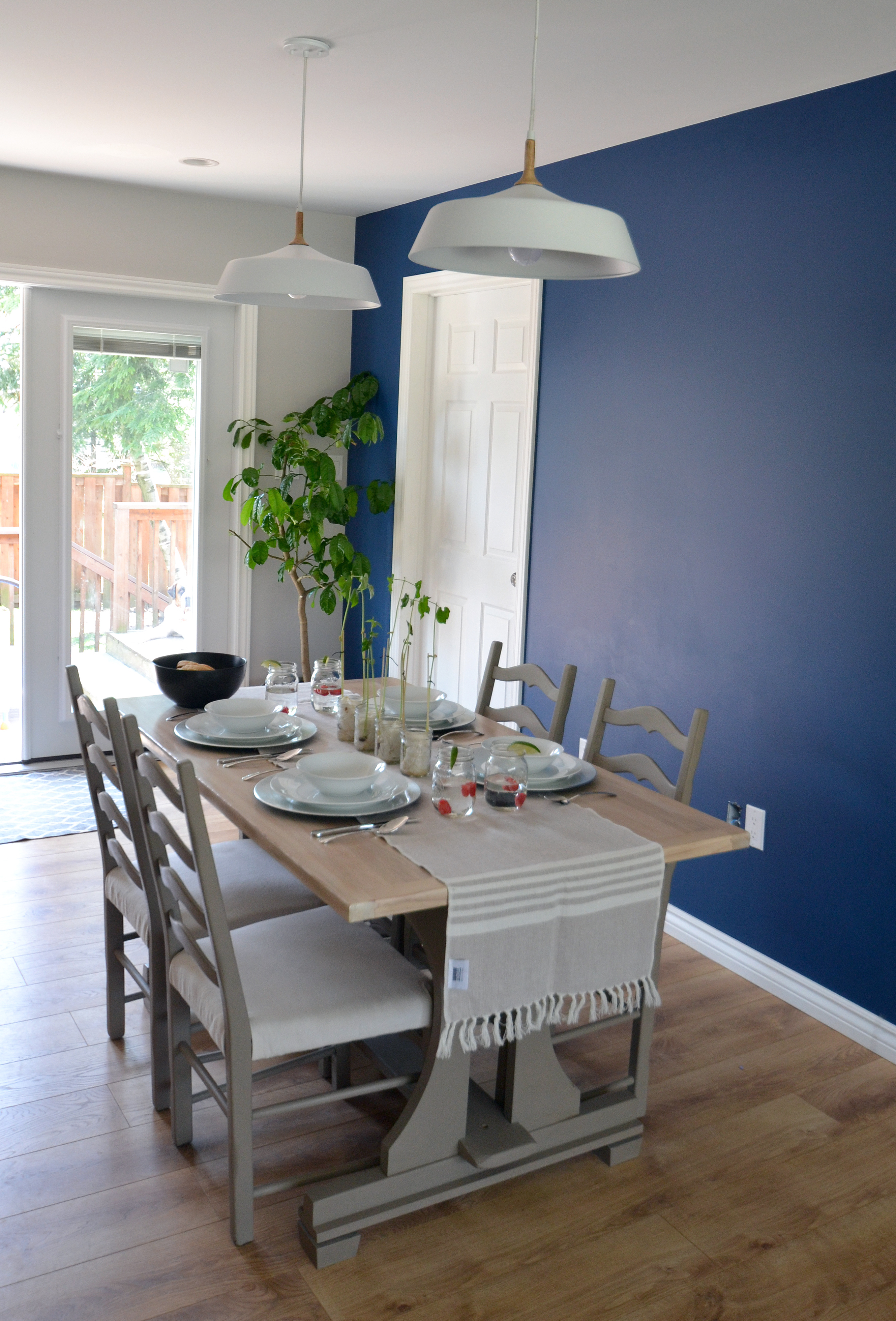
This past weekend was a happy weekend. I finally, finally, put away the ORANGE maple chairs that have been haunting my kitchen for the past couple years. Orangey stained wood seems to gravitate towards me. Bye bye baby. That’s right, I finished the drop cloth upholstery project I was working on and I am super pleased with how this kitchen table makeover turned out. The chairs ended up pairing well with the salvaged pine harvest table I rehabbed this past autumn. Now if only someone would get around to hanging up the driftwood art on that blue wall… ahem.
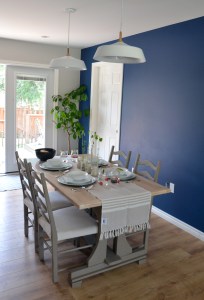
I am disappointed to tell you that the before photos of the table were accidentally deleted from my camera. I do still have a photo of one of the chairs to show you, but the table. Sigh. Let me help you. Close your eyes. Now imagine a bright orange pine table chewed up by a dog and built to fit short people. This table was about 4″ shorter than standard table height. It was weird. Even after I rehabbed the kitchen table I was still using these Canadian-made maple chairs circa 1960 that had been part of our previous dining set up until Sunday. See below for photos. (more…)
-
Cookie Monster Bark Is Fun For Kids

A couple weeks ago a recipe for making your own chocolate Cookie Monster bark began circulating on Facebook. The recipe, by House Of Yum, which was probably inspired by this monster bark from Lil Luna, was so adorable I had to make it. I figured it would be a really great kid-friendly recipe that my kids could make themselves. They are a bit young to operate the microwave, but they pretty much did everything all on their own.

Here they are all in all their delicious glory. This platter did not last long, it was completely demolished within two days. I want to blame it on the actual Cookie Monster, but I think I might have been sleep eating. This would be really great for a Cookie Monster birthday party theme, or just for a kid’s party in general. Maybe even bake sale? I can see it selling well. (more…)
-
This 400-Year-Old Tree Was In The Way, See What Happened
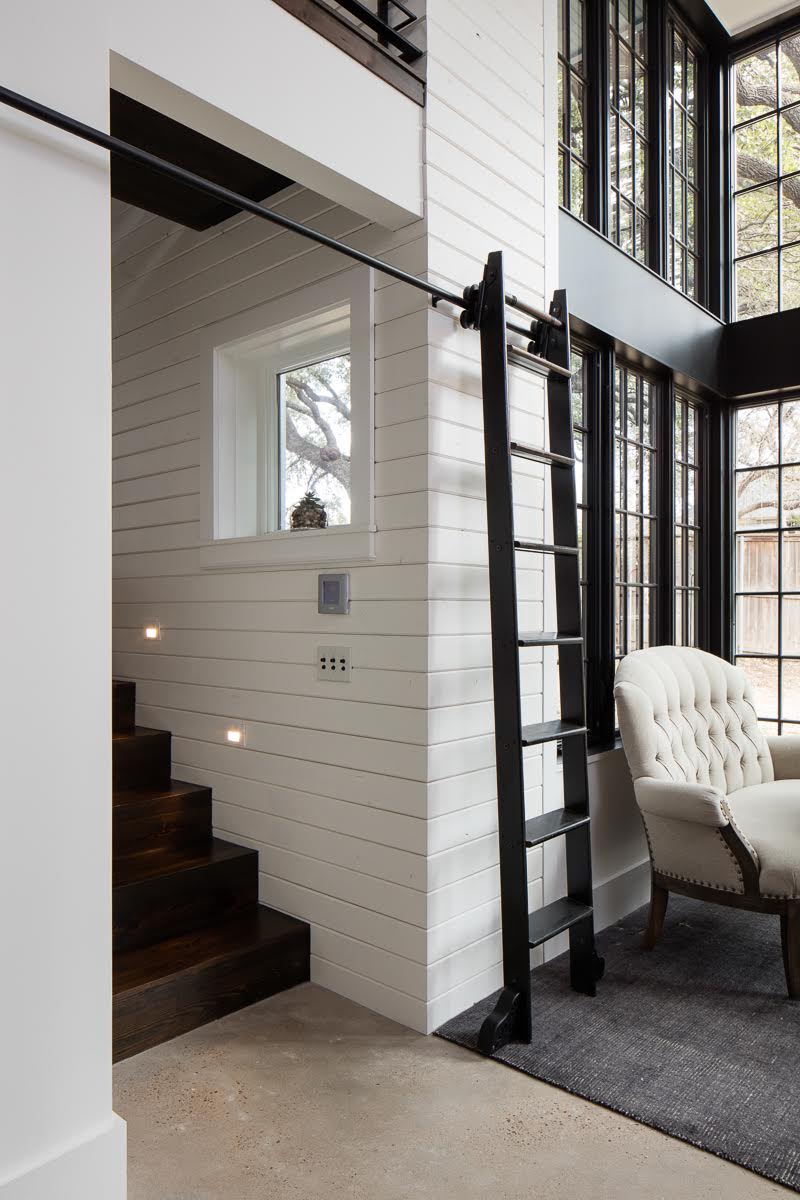
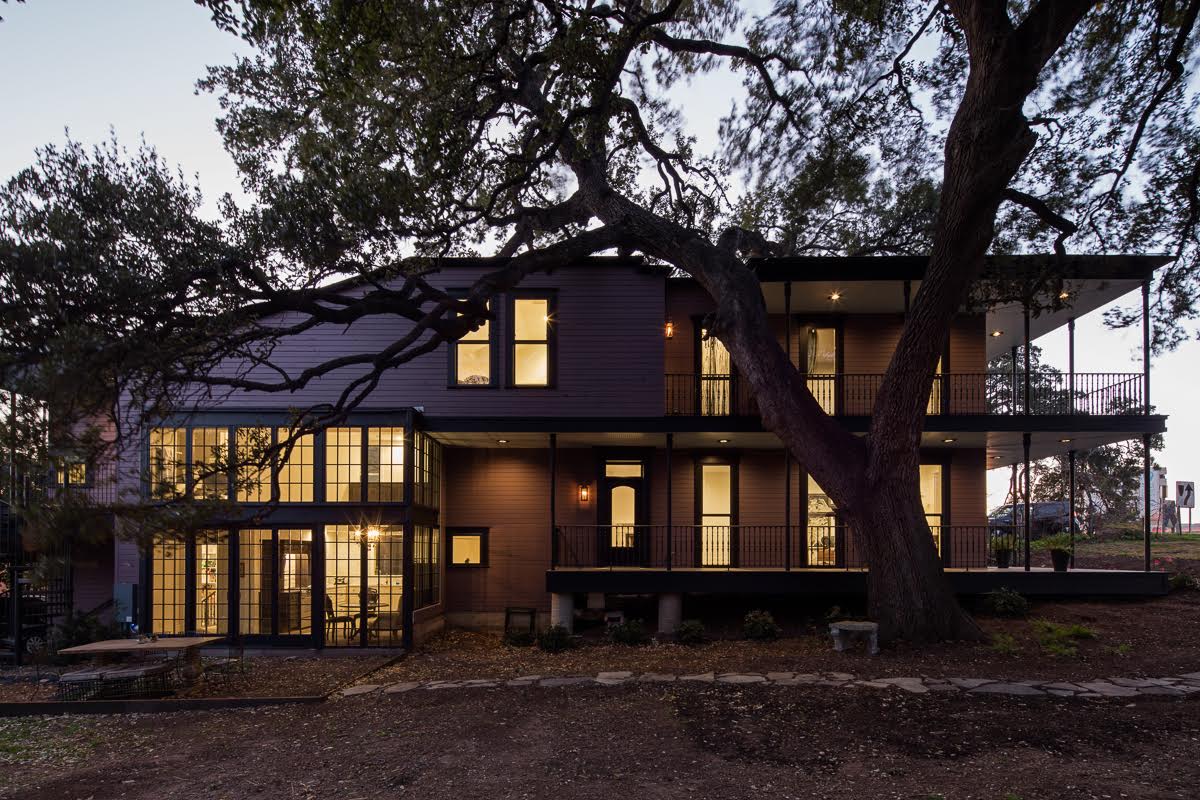
This 400-year-old stunner of a tree, inhabiting a lot in Austin, Texas was right where these home-owners wanted to build their custom contemporary southern-inspired home. That wasn’t a problem for the couple though. Where many might bulldoze down a tree in the name of progress, the home-owners fell deeply in love, and had their home designed to complement the semi-ancient tree, preserving it as a natural landscaping feature on their property. With the help of architect Tom Hurt and David Wilkes Builders, the home-owners were able to design their new home around the stately trunk.

The tree in question has called Austin its home for far longer than any of us have called the Earth our’s. These home-owners were right to preserve it, and in exchange it has lent both rich character and a soulful story to their new abode. The main challenge facing the design team was to build a home on a particularly narrow lot that authentically reflected historical homes built in the South 100 years ago, with a contemporary twist. They borrowed unabashedly from architectural styles prevalent in New Orleans, including creole cottages and the balconies of the French Quarter. A purple exterior reminiscent of Charleston’s painted ladies (i.e. Rainbow Row) emboldens the shady exterior. The flooring is made from reclaimed timber, a subtle nod to its nearby brethren, and the kitchen is designed around a massive carved wood antique mantle. Scroll down to see the entire southern-inspired home, which is peppered with contemporary features, modern accents, and southern charm (don’t miss the shiplap)! (more…)